Why Your Home Feels "Off" Even After You've Spent Lakhs on It
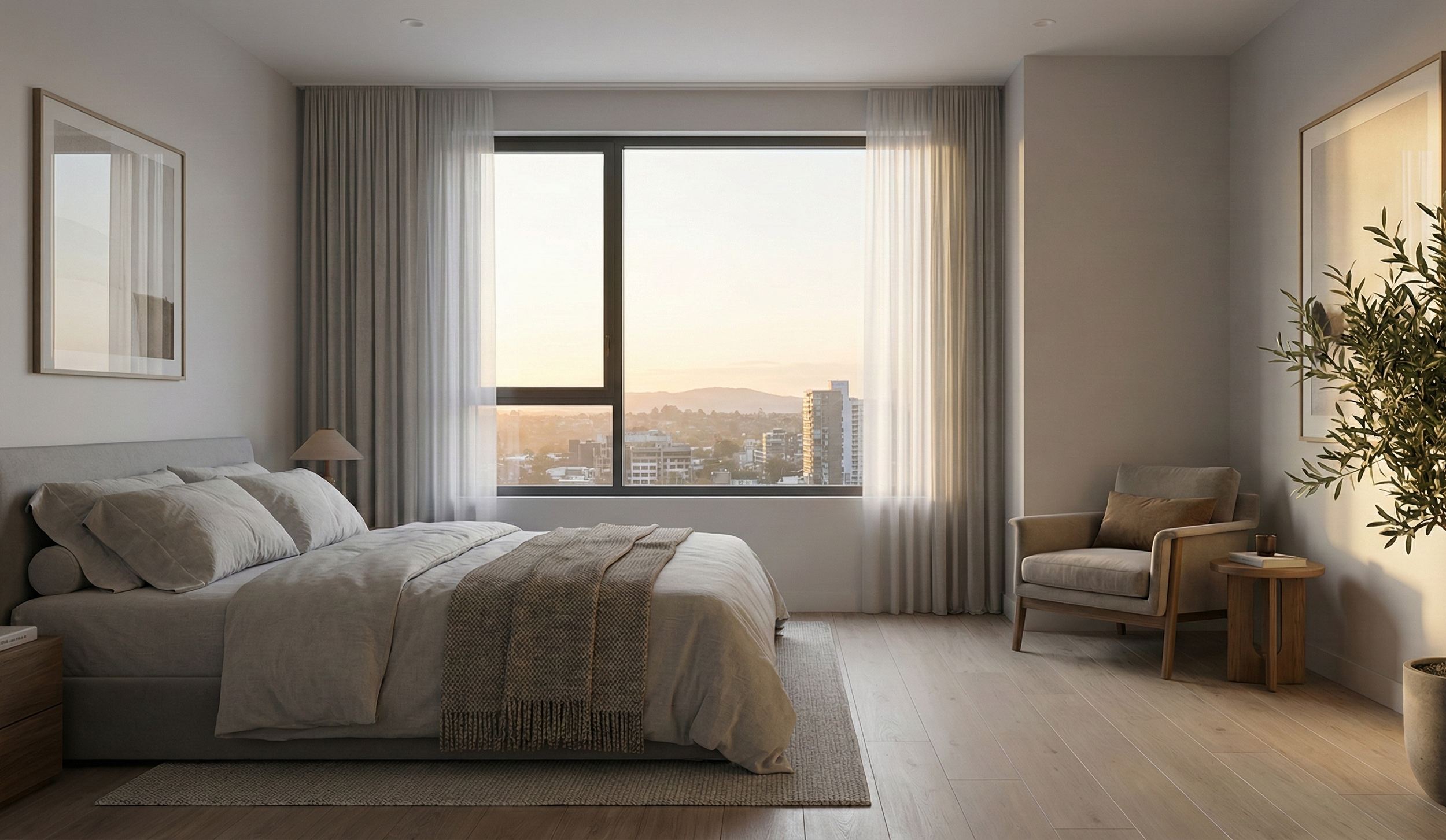
You walk into your newly designed home. Everything is in place. The sofa you spent weeks choosing. The accent wall. The Italian tiles. The German hardware. And yet, something feels wrong.
The room doesn't feel warm. It doesn't feel intimate. It doesn't feel like anything, really.
You can't put your finger on it, but you know: this isn't what you imagined when you signed off on those 3D renders.
Here's what nobody told you: lighting isn't an add-on. It's not something you figure out after the furniture arrives. And it's definitely not something you solve with a few "nice" fixtures from a lighting store.
Lighting is the single most important design decision you'll make. And most homes get it catastrophically wrong.
The Problem with How We Think About Lights
In most Indian homes, lighting is treated like a utility. Something functional. You need light to see, so you install a chandelier in the centre of the room, maybe a few downlights scattered around, and call it done.
But lighting isn't just about visibility. It's about experience.
Think about the last time you walked into a hotel lobby or a well-designed restaurant. You didn't consciously think, "Wow, the lighting here is great." But you felt something. The space felt considered. Intentional. Expensive, even.
That's because good lighting doesn't announce itself. It shapes how you experience a room without you realizing it.
And bad lighting? It makes everything else irrelevant. You could have the most expensive furniture, the most carefully curated art, the perfect paint colour—but if the lighting is flat, harsh, or poorly layered, none of it matters.
Your home will always feel like a showroom. Never like a home.
The Three Layers You're Missing
Professional lighting design isn't about more lights. It's about the right lights, in the right places, doing the right jobs.
There are three layers every well-designed room needs:
Ambient lighting is your base layer. It's the general illumination that fills the room: soft, even, and often indirect. This is what makes a space feel open and navigable without being clinical. The goal isn't brightness; it's balance.
Task lighting is functional. It's the light you actually use to do things: read, cook, work, apply makeup. This is where most people stop. They install bright overhead lights and assume the job is done. But task lighting without ambient or accent lighting feels cold. Sterile. Like an office, not a home.
Accent lighting is the layer that makes a room feel designed. It's what highlights the texture of a stone wall, the grain of a wood panel, the art you spent months finding. It creates depth. It directs your eye. It's the difference between a room that exists and a room that feels curated.
When all three layers work together, something shifts. The room doesn't just look different—it feels different.
Colour Temperature: The Detail That Changes Everything
But here's where it gets more nuanced—and where most homes fall apart.
Even if you layer your lighting correctly, if you mix the wrong colour temperatures, the room will still feel disjointed.
Warm light (2700K-3000K) makes a space feel intimate, cozy, human. It's what you want in living rooms, bedrooms, dining areas—places where you relax, connect, unwind.
Cool light (4000K-5000K) feels clean, focused, alert. It's what you need in kitchens, bathrooms, study areas: places where you're doing something, not just being.
And yet, in so many homes, you'll find warm light in the kitchen (making food prep feel dim and frustrating) and cool light in the bedroom (making it feel like a hospital).
The colour temperature of your lights needs to match the function and mood of each space. When you get this right (when the ambient layer is soft and warm, the task lighting is bright and cool where needed, and the accent lighting creates contrast and depth), the room doesn't just work. It performs.
Why This Isn't a DIY Job
At this point, you might be thinking: "Okay, I get it. I'll just buy different types of lights and figure it out."
Here's the problem: knowing the theory and executing it are two very different things.
Where do you place the ambient lights so they don't create shadows? How do you wire accent lighting so it's independently controlled? Which fixtures actually deliver the colour temperature they claim? How do you dim lights without them flickering or turning orange?
These aren't details you guess at. They're decisions that require experience, technical understanding, and a clear vision of how the entire space will come together.
Most people realize this after the electrician has already done the wiring. And by then, it's too late. You're stuck with switch placements that don't make sense, lights that can't be dimmed, and a room that never quite feels the way you wanted it to.
The Hidden Cost of Getting This Wrong
Most people don't realize how much bad lighting is costing them: not just in money, but in how they experience their home every single day.
You end up adding more and more lights, trying to fix the problem. You buy expensive fixtures thinking they'll make a difference. You rearrange furniture, repaint walls: anything to make the space feel better.
But the problem was never the furniture or the paint. It was the lighting.
And now, because the wiring is done and the ceiling is closed, fixing it properly means tearing things apart. Or worse, living with it.
That's the real cost. Not the money spent on wrong fixtures. But the years of living in a space that never quite feels like home.
Lighting isn't something you add at the end. It's a design decision that shapes every other decision in the room. And it's one of the few things in interior design that you absolutely cannot retrofit easily.
Which is why it needs to be designed right from the start. By someone who understands not just fixtures and fittings, but how light shapes experience.
If you're building or renovating, and you're thinking, "I'll just figure out the lights later": stop.
Because later is too late.